
Shadow AI Risks for SMEs: How to Take Control
A significant share of employees use AI tools outside their organisation's official policy. For your SME, that means uncontrolled data processing, potential GDPR violations and a growing security risk, often without you knowing. This article explains what shadow AI is, why it matters now and what concrete steps you can take.
What is shadow AI and why is it growing so fast?
Shadow AI is a form of the broader shadow IT problem: employees using tools without the knowledge or approval of their IT department. Think of a colleague pasting customer data into ChatGPT or Claude to draft a quote, or a project manager summarising confidential meeting notes via a free AI app.
This may sound harmless, but cybersecurity researchers and practitioners increasingly flag it as a serious concern. Various security publications report that the unauthorised use of external services, including AI tools, is playing a growing role in data breach incidents.
The core issue: your employees are not acting with bad intentions. They simply want to work faster. If your organisation offers no approved tools or clear policy, they will fill that gap themselves.
Legal risks: GDPR and NIS2
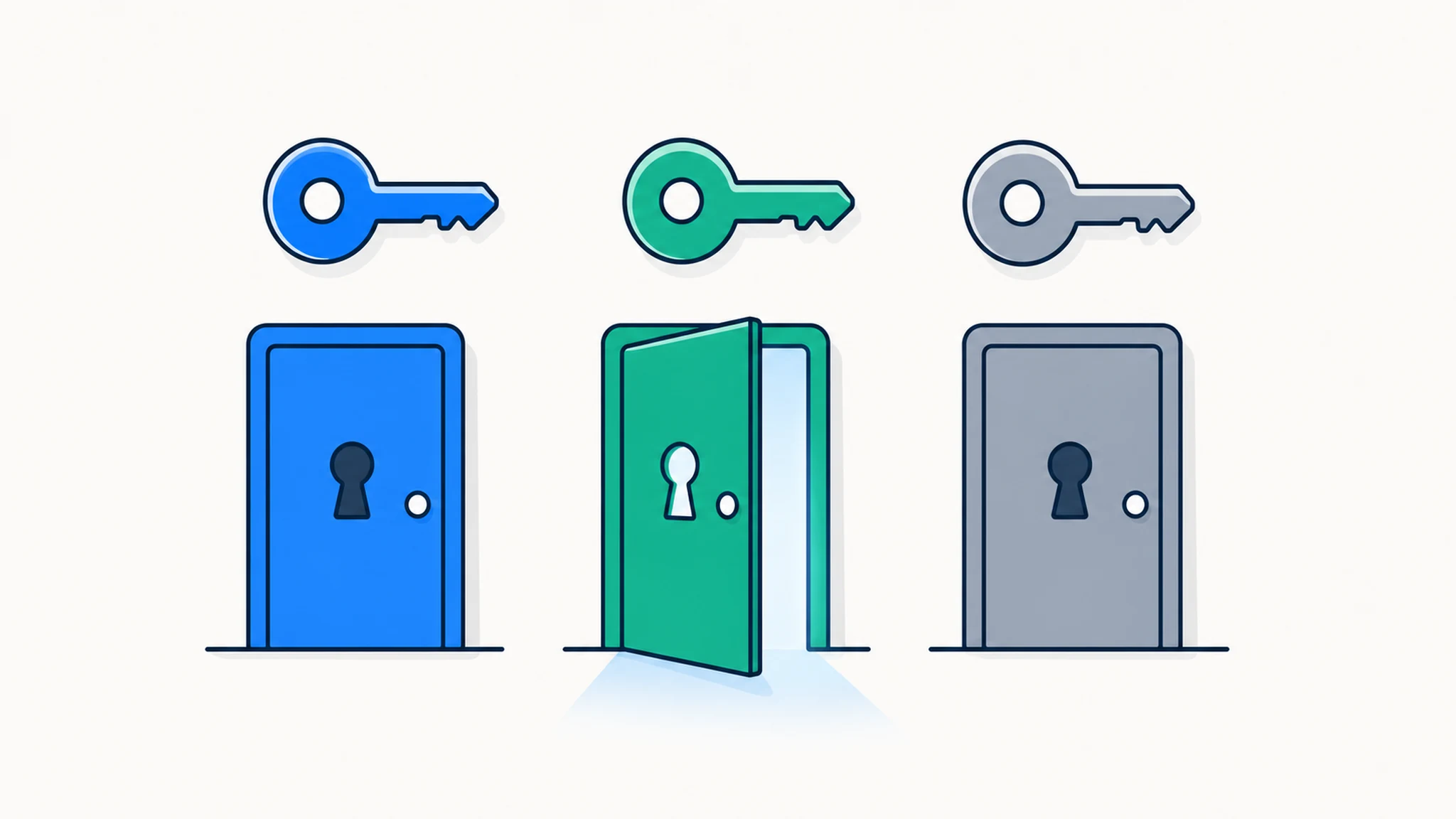
Imagine you run a ten-person consultancy. One employee enters client contact details into an unapproved AI tool to generate a report. Those details are processed on servers outside your control, with no data processing agreement and without your client's consent.
According to data protection authorities, this can qualify as unlawful processing or even a data breach under GDPR. The relevant supervisory authority may take action. To understand how public GDPR fines could affect your business, read our article on GDPR Fines Going Public: What It Means for You.
Uncontrolled AI use also expands your attack surface, which may conflict with the duty of care under the NIS2 directive. Wondering whether NIS2 applies to your organisation? Read our overview: NIS2 & Cybersecurity for SMEs: What to Know.
What you don't know can still get you fined.
Not legal advice. Consult a legal or compliance adviser for your specific situation.
How to map and control shadow AI
Building a policy starts with gaining visibility into what is already happening. Use the steps below as a starting point:
| Step | Action | Outcome |
|---|---|---|
| 1 | Inventory which AI tools employees use | Overview of shadow tools |
| 2 | Assess which tools are safe and GDPR-compliant | Create an approved list |
| 3 | Draft a simple AI usage policy | Set clear expectations |
| 4 | Train employees on data breach risks | Build awareness |
| 5 | Deploy centralised, approved tools | Structurally reduce risk |
You do not need to ban employees from working efficiently. Offer approved alternatives instead. When your team knows which tools are allowed and why, the temptation to use shadow AI naturally decreases.
Get your project administration in order with software built for SMEs: explore all PrikKlokPlus features.
Practical protection: what works for SMEs
For small and medium-sized businesses, the key is to keep things manageable. You do not need an elaborate IT governance framework. Three measures have immediate impact:
-
When your team handles time tracking, project management, quotes and invoicing in one platform, there is less incentive to seek out standalone AI tools. Integration lowers the barrier to correct behaviour. For guidance on using AI tools safely in project management, see our knowledge base article on AI Tools & Project Privacy: What SMEs Must Know.
-
If your business does use AI tools, ensure you have a processing agreement with every provider. Without one, you bear full GDPR responsibility yourself. Our GDPR Templates for SMEs 2026 will help you get started quickly.
-
Many employees do not realise their actions carry risk. A short team conversation about what is and is not permitted, without blame, works far better than a prohibition buried in the staff handbook. Close with a clear, concise list of approved tools.
Conclusion
Shadow AI is not a hypothetical future risk. It is a present reality for SMEs. A significant share of your employees may already be using AI tools outside your policy. Security experts signal that the risk is growing fast. By gaining visibility into what is being used, setting a clear policy and adopting centralised software, you can bring this risk under control without hampering your team's productivity.
Frequently asked questions about shadow AI and SMEs
What exactly is shadow AI? Shadow AI is the use of AI tools by employees without approval from IT or management, for example entering customer data into ChatGPT or Claude outside any official policy.
Is shadow AI a GDPR violation? It depends on the situation, but according to data protection authorities, entering personal data into unapproved tools can qualify as unlawful processing or a data breach. Always consult your legal adviser if in doubt.
How widespread is the shadow AI problem? Multiple security studies and industry reports point to substantial and growing use of unauthorised AI tools in the workplace. The precise scale varies by definition and methodology; consult up-to-date sources for the latest figures.
What is the first step to addressing shadow AI? Start with an inventory: ask your employees openly and without judgement which tools they use day to day. That gives you a realistic baseline on which to build your policy.
Does your business need a formal AI policy? For most SMEs, a simple document with an approved tool list and basic rules is sufficient. You do not need an elaborate IT governance framework to be compliant.
Control over your business processes starts with the right tools
PrikKlokPlus offers a secure, all-in-one platform for time tracking, project management, quotes and invoicing, built for SMEs.