
CRM Customer Data Security: What Supply Chain Risks Teach You
A data breach doesn't have to start with you. High-profile incidents in 2026 show that your customer data can end up exposed through an external IT provider or logistics partner, not your own systems. For any business using a CRM, this is a wake-up call: how well are you securing the chain around your customer data?
Why CRM Security Goes Beyond Your Own System
In one major 2026 incident, customer data (including addresses and order history) was accessed via a cyberattack on a logistics partner, not the retailer itself. Because the same partner handled fulfilment for multiple brands, one weak link compromised several businesses at once. In another case, the breach originated with an external IT provider while the retailer's own systems remained untouched.
This pattern is no coincidence. The more parties that access your customer data (integration partners, accounting software, external couriers), the larger your attack surface. For an SME or freelancer, that may sound abstract, but the consequences are real: leaked addresses and order data enable targeted phishing and identity fraud, made more convincing because the attackers hold genuine personal information.
Consider a small webshop owner with their own CRM. Orders go through an external fulfilment partner; the CRM syncs with third-party accounting software. Both parties process your customer data. If either suffers a breach, it is your name your customers see and your relationship that takes the hit.
Your Obligations After a Data Breach Under GDPR
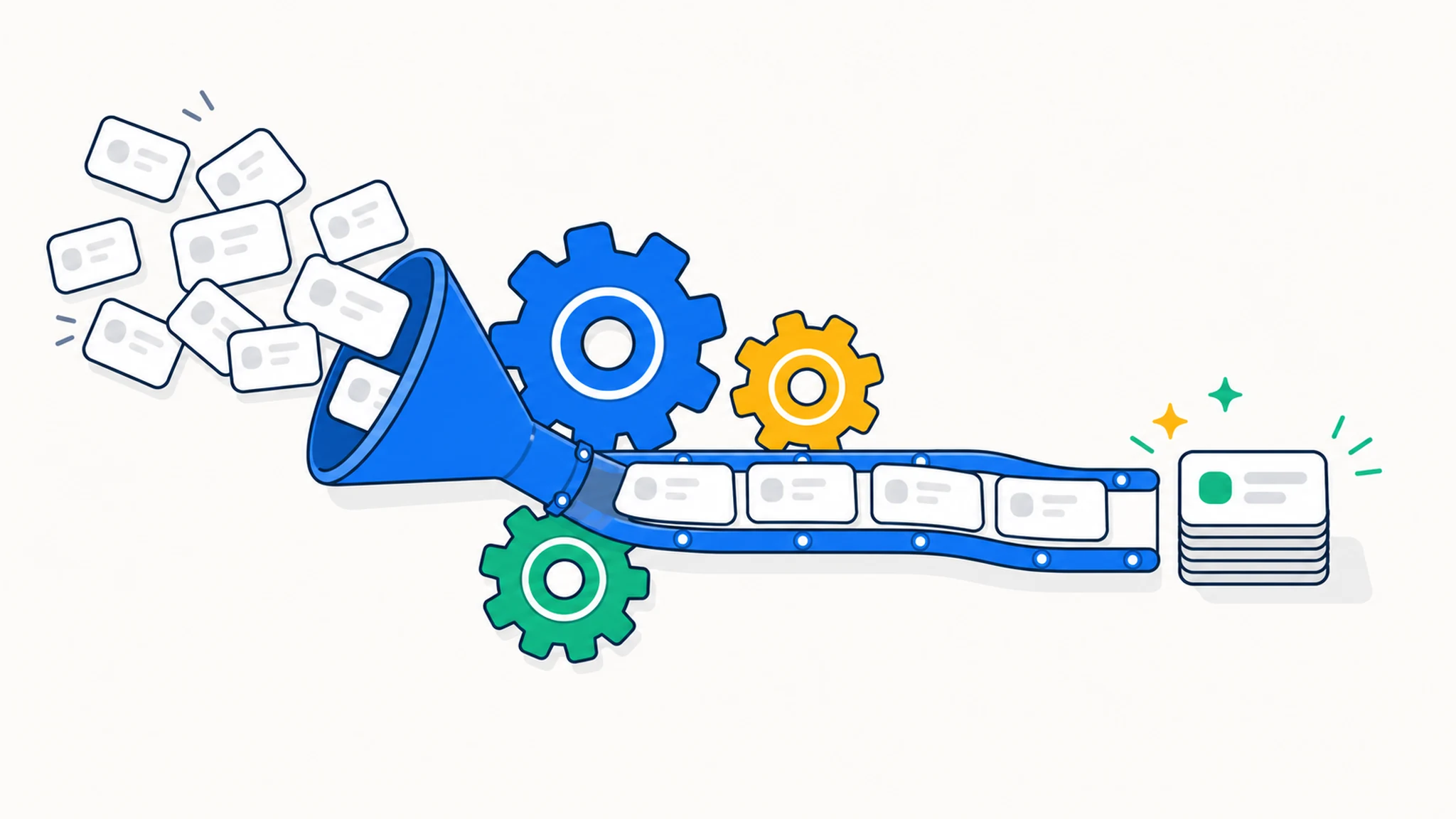
Under GDPR, you are required to report a data breach to your supervisory authority within 72 hours. But reporting is step two. You first need to detect the breach.
That starts with knowing who processes what. Have you documented which external parties can access your CRM or customer data? Do you have data processing agreements with all of them? The full text of the GDPR is available via EUR-Lex. If you also track location-based or personal work data, read more on GDPR & Time Tracking: Legal Basis, Location Data.
This article does not constitute legal advice. Consult a qualified privacy lawyer or adviser for your specific situation.
Get your customer data management in order. Explore how PrikKlokPlus brings together your CRM, invoicing and time tracking.
Practical Steps to Reduce Supply Chain Risk
You don't need to be an IT specialist to reduce chain risk. These steps are immediately actionable:
| Step | Measure | Priority |
|---|---|---|
| 1 | List all parties with access to your customer data | High |
| 2 | Sign data processing agreements with each of them | High |
| 3 | Limit data access to what is strictly necessary | High |
| 4 | Create an internal protocol for a (suspected) breach | Medium |
| 5 | Periodically review your CRM's security settings | Medium |
| 6 | Proactively inform customers if their data is involved | High |
An integrated platform helps: when your CRM, invoicing and time tracking sit in one place, you reduce the number of external connections and the risk of a breach via a third party. If you're considering adding AI tools to your workflow, also read AI Tools & Project Privacy: What SMEs Must Know.
2026: A Structural Pattern, Not Bad Luck
Multiple well-known retailers were affected by data breaches in 2026. This is not coincidence; it is a structural pattern across businesses of all sizes. The conclusion is clear: supply chain security is not a luxury for large enterprises. It is a serious concern for anyone managing customer data.
The good news is that most vulnerabilities can be reduced through policy and the right tool choices. Businesses that understand their data flows, have processing agreements in place and use a centralised platform rather than a patchwork of integrations are in a far stronger position.
Also see how clear payment terms help you get paid faster, because a well-structured CRM supports both security and cash flow.
Conclusion
In 2026, breaches via external suppliers are a common pattern, not the exception. Your customer data is only as secure as the weakest link in your chain. Map that chain, sign processing agreements, limit access and choose an integrated solution that minimises external connections. That protects your customers and your reputation.
Frequently Asked Questions
What should I do if an external supplier reports a breach involving my customer data? Assess immediately whether the breach is likely to pose a risk to the individuals affected. If so, report to your supervisory authority within 72 hours. Notify your customers if their rights or interests are seriously harmed. Document everything in writing, even if you decide not to report. This does not constitute legal advice. Consult a qualified adviser for your specific situation.
As a small business, am I really required to have a data processing agreement with my IT supplier? Under GDPR, this obligation applies to all data controllers regardless of business size. Regulatory guidance indicates that any party processing personal data on your behalf (an accountant, CRM provider or fulfilment partner) requires a data processing agreement. Without one, you risk regulatory action. Consult a qualified privacy lawyer for your specific situation.
How do I reduce the risk of a chain breach through my CRM? Limit the number of external parties with access to your customer data. Prefer an integrated platform where CRM, invoicing and project management converge, so you don't need multiple separate integrations. Regularly review which external applications have access to your system and revoke permissions when a partnership ends.
What are the consequences for my customers if their order data leaks? Leaked addresses and order history make it easier for fraudsters to send targeted, convincing phishing messages that appear to come from your business. Inform customers proactively and advise them clearly on what warning signs to watch for.
Take the First Step Today
Start free and centralise your CRM, invoicing and project management on one secure platform