
Expense Allowances & Tax 2027: What Changes for You?
Not legal advice — consult a tax adviser for your specific situation.
The 2027 Tax Plan introduces a range of changes for freelancers and SME owners, including rules on expense reimbursements and payroll tax. Do you know which regulations take effect on 1 January 2027? And how do you keep your expense records in order? Here are the key changes and the steps to take now.
What Changes Around Expense Allowances in 2027?
On Budget Day, the Dutch government presented the 2027 Tax Plan package. For SME owners it covers several areas: payroll tax, freelance legislation, company-car taxation, box 3, property and income tax. On 4 November 2026, version 2 of the 2027 Payroll Tax Newsletter was published, with a preview of possible further adjustments.
What does this mean for your expense reimbursements?
- Payroll tax: According to the Dutch Tax Authority, rules on tax-free employee reimbursements are tightening. Check whether your current allowances (travel costs, home-working allowance, meal expenses) still fall within the work-related costs scheme (WKR) free budget.
- Freelance legislation: Enforcement on bogus self-employment resumed in 2025. Additional rules clarifying the boundary between contractor and employee are expected in 2027.
- Company-car taxation: Driving a (electric) company car? Benefit-in-kind percentages are changing. Factor this into your net wage cost and allowance calculations.
Always check the Dutch Tax Authority directly, or the published newsletter via your tax adviser, for the most up-to-date text.
Minimum Wage and Labour Costs: Impact on Your Allowances
From 1 July 2026, the statutory minimum wage rose from €14.71 to €14.99 gross per hour for employees aged 21 and over. That sounds modest, but adds up quickly when expense allowances sit on top of gross pay.
| Allowance | Tax-free possible? | 2027 consideration |
|---|---|---|
| Home-working allowance | Yes, up to statutory maximum | Amount indexed annually |
| Travel costs (public transport/own vehicle) | Yes, up to €0.23/km (2026) | Check 2027 indexation |
| Business meal costs | Yes, if demonstrably business-related | Monitor WKR free budget |
| Phone/internet at home | Yes, if business use ≥10% | Document substantiation |
| Company car | Partly via benefit-in-kind | Percentages changing |
The home-working allowance and registration requirements are already covered in our knowledge base, useful reading ahead of 2027.
Getting Your Expense Administration in Order
Expense reimbursements are only tax-free if correctly recorded. According to the Dutch Tax Authority, you must be able to demonstrate at an inspection that a reimbursement is business-related, paid on time and within applicable limits. Without that evidence, allowances can be reclassified as wages, triggering back-payments and potentially a penalty.
Practical steps:
- Categorise every reimbursement (travel, home-working, representation) and keep them separate.
- Record the business reason. A receipt alone is not always enough; note the purpose too.
- Retain evidence for seven years. This is the statutory retention period for business records.
- Monitor your WKR free budget monthly. Exceeding it triggers an 80% final levy on the surplus.
- Automate where possible. Manual expense tracking costs time and increases error risk.
For freelancers the situation differs: you have no employer paying allowances, but you deduct costs as business expenses. Read also how to measure your labour productivity as a freelancer. Insight into hours spent is the foundation for accurate cost recording.
What Can You Do Right Now?
The 2027 changes are partly still in flux, but there are concrete steps you can take today:
- Have your current allowance package reviewed by your accountant or tax adviser, specifically on WKR free-budget usage.
- Check employment contracts and service agreements for expense-reimbursement clauses. Are they still aligned with the new minimum wage?
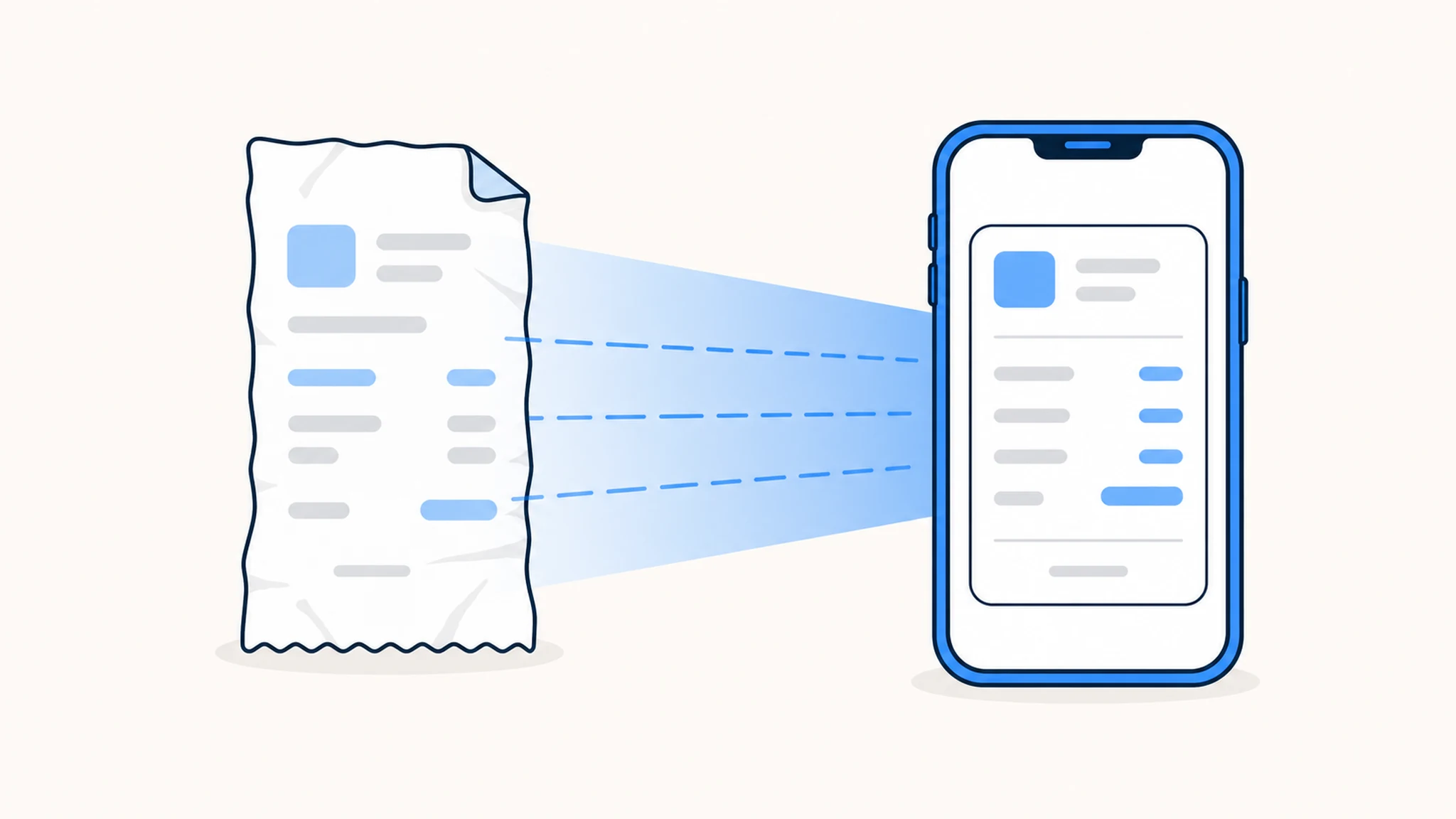
- Record business costs digitally and in a structured way. A platform that links expenses to projects and employees saves hours at year-end.
- Monitor the Tax Authority website for final texts of the new payroll tax rules.
SME owners with staff will also benefit from reviewing the full overview of 2027 payroll tax changes for a more detailed breakdown.
Conclusion
Expense allowances and tax in 2027 already deserve your attention. The minimum wage rose to €14.99 gross per hour from 1 July 2026, payroll tax rules change on 1 January 2027, and freelance enforcement remains active. Getting your expense administration right now means no surprises at a tax inspection or year-end close.
Not legal advice — consult a tax adviser for your specific situation.
Frequently Asked Questions
What is an expense allowance and when is it tax-free? An expense allowance is an amount paid to an employee (or yourself) to cover business costs. According to the Dutch Tax Authority, it is tax-free when costs are demonstrably business-related, fall within statutory limits and are correctly recorded. Amounts above the limits use up WKR free-budget or are taxed as wages.
Is the WKR free budget changing in 2027? Final 2027 texts have not been fully published yet. Version 2 of the 2027 Payroll Tax Newsletter (4 November 2026) contains a preview of possible changes. Consult your tax adviser or the Dutch Tax Authority for the latest position.
How long must you keep expense receipts? The statutory retention period for business records, including receipts and expense overviews, is seven years. Digital storage is permitted, provided files are authentic and accessible.
What does the minimum wage rise mean for my expense budget? The minimum wage rose to €14.99 gross per hour from 1 July 2026. This does not directly affect the tax rules for expense reimbursements, but it does increase total wage costs. Check whether your allowance package is still proportionate to the new pay scales and that your WKR calculations are up to date.
Does the work-related costs scheme apply to freelancers? No. The WKR applies to employers with staff on payroll. As a freelancer you deduct business costs as operating expenses on your profit-and-loss account. You can engage freelancers as a client without paying payroll tax on their fees, provided the working relationship is correctly structured.
Keep expense records automatically With PrikKlokPlus you log every expense claim instantly, linked to the right project and team member, so your records are always ready for a tax inspection.
Start free and get your expense administration in order today